
Providing information on financial security, banking news, finance updates, explanations on RBI guidelines, and advisory content.
recent posts
- Understanding the Digital Personal Data Protection Act, 2023: What It Means for You and Businesses | FinSequr Post
- Practical Steps for RBI-Regulated Entities to Comply with DPDPA, 2023
- Real-Time Fraud Prevention with Machine Learning | FinSequr Post
- AI-Powered Customer Service: Transforming Financial Support Across India | FinSequr Post
- Cybersecurity Awareness & Training (AT): Building a Safer Financial Ecosystem in India | FinSequr Post
about
Category: Cybersecurity & IT Risk Management
-
In today’s digital world, cybersecurity awareness and training (AT) are vital, particularly in India’s financial sector. FinSequr emphasizes that informed employees are key to cybersecurity. Regular training, tailored for different roles, reduces risks of data breaches and enhances compliance, ultimately fostering a strong security culture across organizations.
-
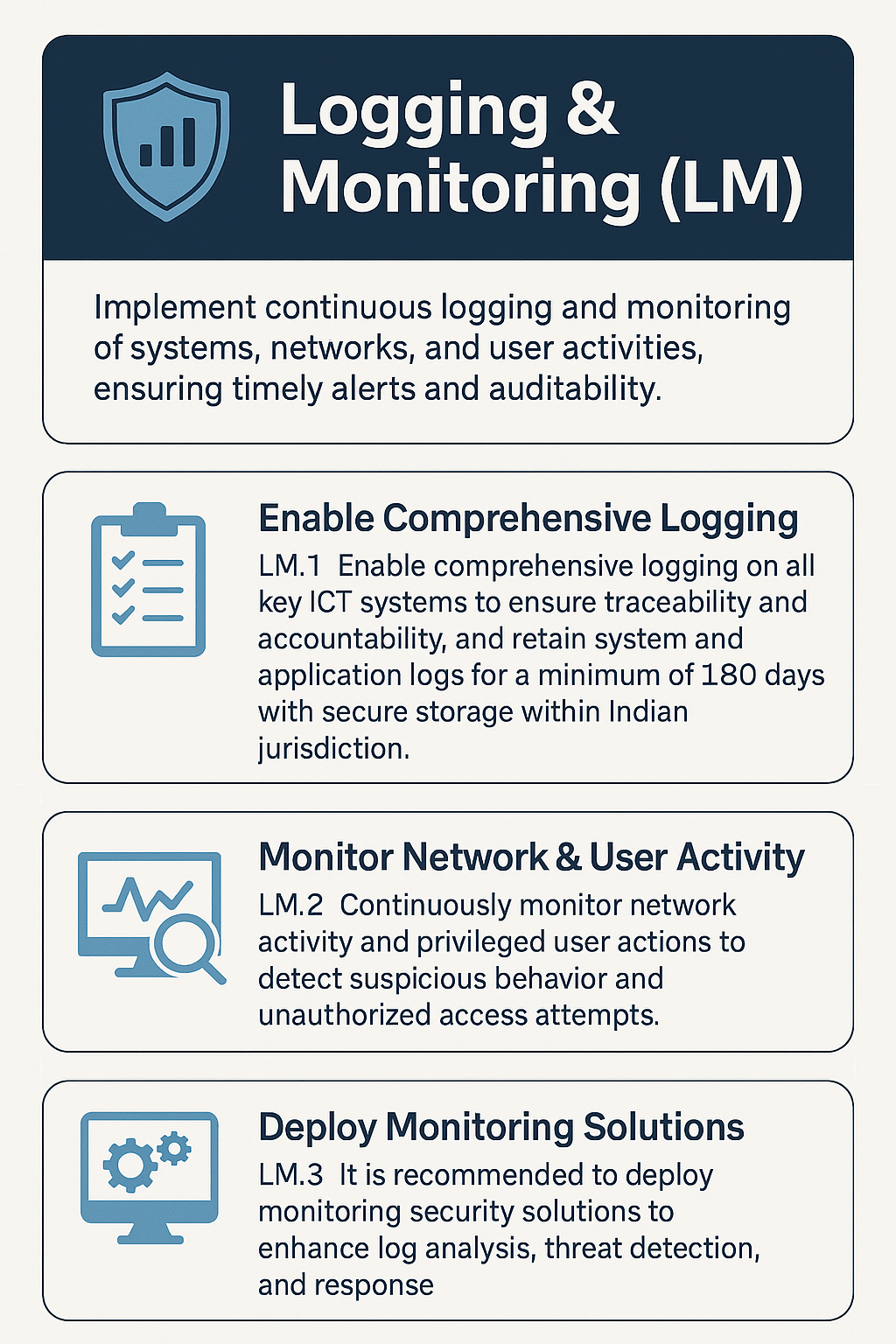
The article emphasizes the importance of Logging and Monitoring (LM) in cybersecurity, particularly for Indian financial organizations. It discusses enabling comprehensive logging, real-time monitoring of network activity, and the deployment of security monitoring solutions. LM is essential for detecting threats, ensuring compliance with national regulations, and safeguarding digital assets effectively.
-
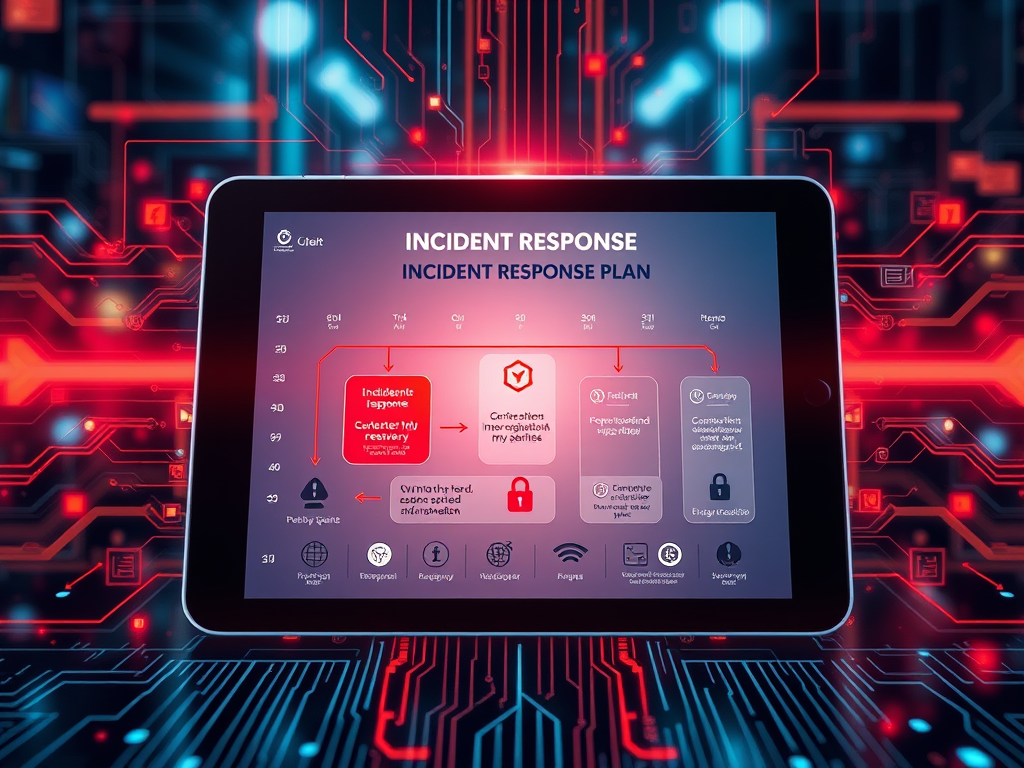
In today’s digital landscape, cybersecurity incidents are commonplace, making a robust Incident Management (IM) framework essential for organizations. This post outlines the importance of having a documented Incident Response Plan (IRP), regularly testing it, and adhering to CERT-In guidelines under Indian law to ensure effective detection, response, and recovery from cyber threats.
-
Patch Management is vital for cybersecurity, addressing vulnerabilities to prevent breaches, ransomware, and compliance issues. Effective practices include regular updates, vulnerability monitoring, and adherence to regulations. Real-world incidents demonstrate the importance of timely patching. A structured strategy enhances security, compliance, and system stability, safeguarding organizations from evolving threats.
-
In today’s digital world, endpoints like laptops and mobile devices are vulnerable to cyberattacks, leading to data breaches and ransomware incidents. Endpoint & Mobile Security (EMS) is essential for protecting organizations by ensuring device compliance and security. Implementing best practices, such as licensed software use and USB controls, can significantly mitigate risks.
-
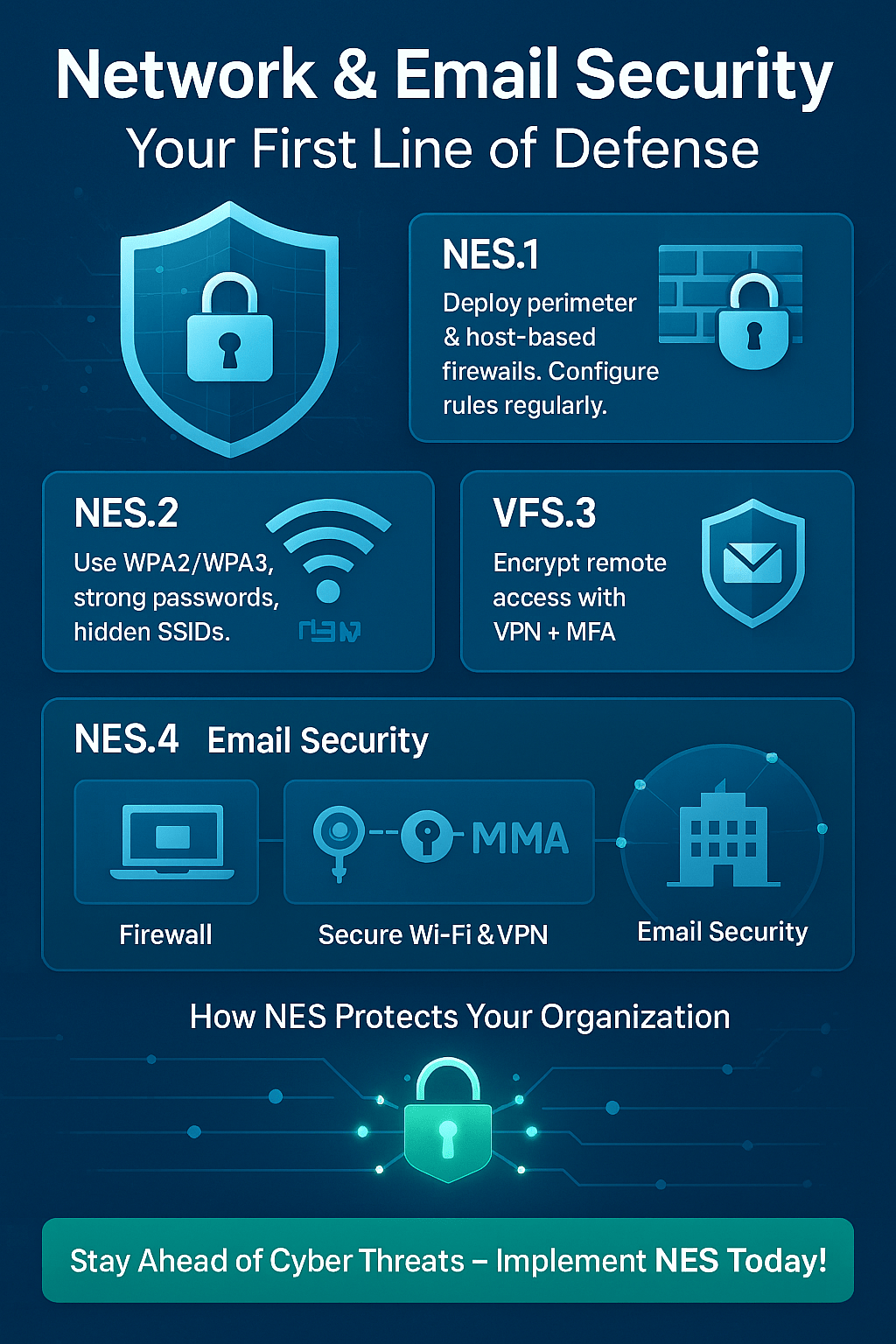
In today’s hyper-connected world, networks and email systems are prime targets for cybercriminals. Unauthorized access, data breaches, and phishing attacks can cripple businesses and compromise sensitive information. Network and Email Security (NES) is not just a best practice it’s a necessity. This post explores key strategies to safeguard your organization’s communication channels and prevent cyber…
-
In today’s digital age, the Indian financial sector faces an ever-growing array of cyber threats. From phishing attacks to ransomware, the need for robust cybersecurity measures has never been more critical. Security Operations Centers (SOC) have emerged as a cornerstone in safeguarding financial institutions against these challenges. What is a Security Operations Center (SOC)? A…
 FinSequr