
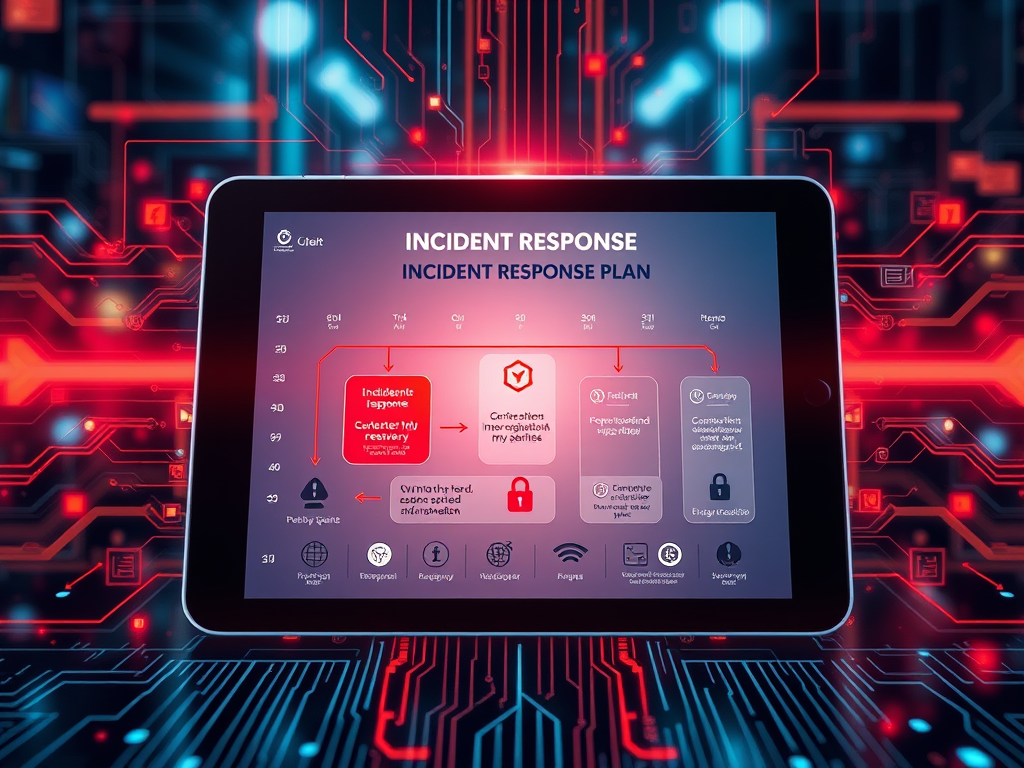
In today’s digital-first world, cybersecurity incidents are not rare they’re routine. Whether it’s a phishing email targeting a bank employee or a ransomware attack on a fintech startup, the ability to respond quickly and effectively can make all the difference.
This post explores how organizations can build a strong IM framework to detect, report, respond to, and recover from cyber incidents, while staying compliant with Indian laws like the Information Technology Act, 2000 and CERT-In guidelines.
That’s where Incident Management (IM) comes in a structured process to detect, report, respond to, and recover from cyber threats.
What is Incident Management?
Incident Management is like your organization’s emergency response system for cyber threats. It ensures that when something goes wrong like a data breach or malware infection there’s a clear plan to handle it.
Why it matters: A delayed or uncoordinated response can lead to data loss, financial damage, and regulatory penalties.
Think of it like a fire drill for your IT systems. You don’t wait for the fire to start you prepare in advance.
IM.1 Create a Formal Incident Response Plan (IRP)
The first step is to develop and document an Incident Response Plan (IRP). This plan should cover:
- Reporting: Who should report the incident? How? To whom?
- Containment: How do you isolate affected systems to prevent further damage?
- Investigation: What tools and teams will analyze the breach?
- Recovery: How do you restore operations safely?
- Communication: Who needs to be informed—internal teams, regulators, customers?
Example: A Mumbai-based NBFC discovers unauthorized access to its customer database. The IRP should guide the team to report the breach, isolate the server, investigate the entry point, recover the data securely, and notify CERT-In and affected customers.
IM.2 Test Your IRP Regularly
Having a plan is great but testing it is crucial. Conduct regular mock drills, simulations, and tabletop exercises to ensure your team knows what to do during a real incident.
- Simulate phishing attacks or insider threats.
- Review how quickly teams respond.
- Identify gaps in coordination or tools.
Example: A cooperative bank in Pune runs a quarterly drill where a fake ransomware alert is triggered. The IT team practices containment, while compliance checks reporting timelines.
IM.3 Follow CERT-In Guidelines & Legal Requirements
Under Section 70B(6) of the Information Technology Act, 2000, organizations must:
- Follow cybersecurity practices published by CERT-In (India’s nodal agency for cyber incident response).
- Report any cybersecurity incident within 6 hours of detection or notification.
Visit https://www.cert-in.org.in/ for the latest advisories, reporting formats, and compliance updates.
Example: If a fintech firm in Bengaluru detects a data leak at 10 AM, it must report it to CERT-In by 4 PM the same day.
Final Thoughts
Incident Management isn’t just a technical requirement it’s a business necessity. In a sector where trust is everything, being prepared for cyber incidents helps protect your reputation, customer data, and regulatory standing.
By formalizing your IRP, testing it regularly, and aligning with CERT-In’s directives, you build a cyber-resilient culture that’s ready for anything.
 FinSequr
Leave a comment